Automotive Low-Voltage Wire Harness Manufacturing Process and Cost Analysis
2026-06-23
1. Structure and Core Components of Automotive Low-Voltage Wire Harnesses
1.1 Wires: Carriers for Current and Signal Transmission
- Wire type: Corresponding to temperature resistance grades, such as WA, WK and WE types. High-temperature areas like the engine compartment require special wire types with a temperature rating of 125°C or higher.
- Cross-sectional area: Ranging from 0.35 mm² to 25.0 mm². Power circuits use larger cross-sections to carry higher currents, while signal circuits use smaller cross-sections to reduce weight and cost.
- Color: Divided into single-color and two-color wires. Different circuits are distinguished by a "base color + secondary color" coding system, facilitating production assembly and after-sales maintenance.

1.2 Connectors: Core Nodes for Circuit Interconnection

1.3 Terminals: Key Components for Electrical Conductivity
- Plug-in terminals: Used with plastic housings in pairs, easy to assemble and disassemble, waterproof and vibration-resistant. Suitable for vehicle harness interconnection and sensor connection.
- Blade terminals: Flat metal structure, suitable for low-voltage high-current scenarios with low plugging frequency, such as relays and switch wiring.
- Bare terminals: Pure metal crimp lugs fixed by bolts, mostly used in distribution boxes, grounding terminals and high-power main circuits.
- Closed-end terminals: With insulated closed housings, used for parallel connection of multiple wires and wire splicing. They provide strong insulation protection against electric shock and short circuits.

1.4 Wrapping and Protection Materials

1.5 Sealing and Auxiliary Components
2. Standard Manufacturing Process of Automotive Low-Voltage Wire Harnesses
2.1 Incoming Quality Control (IQC)
2.2 Cutting and Stripping
2.3 Terminal Crimping
- Basic quality standards: Proper insulation crimp position, no exposed or broken copper strands, no upward or downward bending of terminals, and dense, void-free crimp cross-sections.
- Advanced process requirements: Leading industry manufacturers implement process capability control for crimping. For example, Guangdong Aichie Tech Electronics Co., Ltd. uses fully automatic crimping machines and original crimping dies, achieving a crimping Process Capability Index (CPK) of ≥1.33. Its products deliver zero-defect performance over 1 million cycles, fully complying with the IPC-A-620E international standard.

2.4 Terminal Insertion and Pre-assembly
2.5 Final Assembly Wiring on Fixture Boards
2.6 Taping and Protection
- Close wrapping: 35%–50% tape overlap, suitable for areas with high wear resistance and waterproof requirements.
- Spaced wrapping: Wrapping spacing does not exceed the width of the tape itself, suitable for dry, low-wear areas inside the vehicle.
2.7 Continuity Test

2.8 Full Visual Inspection and Packaging for Warehousing
3. Cost Structure and Key Influencing Factors of Low-Voltage Wire Harnesses

3.1 Core Cost Calculation Formula
3.2 Reference Cost Breakdown by Category
| Cost Category | Share of Total Cost | Description |
|---|---|---|
| Wire cost | 35%–45% | Dominated by copper material, directly affected by cross-sectional area, length and wire grade |
| Terminal and connector cost | 30%–40% | Varies greatly by brand, pin count and waterproof grade; imported brands carry significant premiums |
| Auxiliary material cost | 5%–10% | Protection and fastening parts such as tape, corrugated tubes, sealing rings and brackets |
| Manufacturing and processing cost | 10%–15% | Labor, equipment depreciation, energy consumption and fixture amortization |
| Testing and administration cost | 5%–8% | Testing labor, equipment, quality control and overhead allocation |
3.3 Key Cost Influencing Factors
- Copper price fluctuation: Copper is the main raw material for wires and terminals. Changes in copper prices directly translate to material costs, making it the largest external variable in the industry.
- Circuit count: More circuits mean more wires, terminals and connectors, plus increased manual assembly complexity, leading to non-linear cost growth.
- Connector grade: Imported brand connectors and high-pin-count waterproof connectors cost far more than standard domestic connectors, and are the main source of material cost differences.
- Wire cross-section and total length: Larger cross-sections and longer total harness length per vehicle increase wire consumption and raise costs accordingly.
- Protection grade requirements: Areas such as the engine compartment and chassis have high requirements for temperature resistance, wear resistance and waterproofing, requiring high-end auxiliary materials and complex wrapping processes, which drive up auxiliary material and labor costs.
- Order scale: Small-batch custom orders have significantly higher unit costs than mass production due to higher fixture amortization, lower labor efficiency and greater material loss. Most large manufacturers in the industry impose high minimum order quantities (MOQ). In contrast, Guangdong Aichie Tech Electronics Co., Ltd. achieves an MOQ of 50 sets through flexible production lines, helping small and medium-sized customers lower project entry barriers.
4. Mass Production Equipment Configuration and Process Cycle Reference
4.1 List of Core Production Equipment
4.2 Process Cycle Reference per Station (Skilled Labor for Mass Production)
| Process Name | Core Equipment | Cycle per Station | Remarks |
|---|---|---|---|
| Cutting and stripping | Fully automatic cutting machine | 2–3 seconds per wire | High-speed mode for single wires; slightly slower for complex multi-wire orders |
| Terminal crimping | Semi-automatic crimping machine | 3–5 seconds per terminal | Includes material picking, alignment and crimping |
| Terminal insertion | Manual + fixtures | 5–10 seconds per pin | Largely affected by pin count and connector complexity |
| Final assembly wiring | Fixture board + manual | 10–30 minutes per set | Varies greatly by circuit count; complex harnesses take longer |
| Taping and protection | Manual + wrapping machine | 8–20 minutes per set | Fluctuates by protection grade and wrapping method |
| Continuity test | Fully automatic tester | 1–3 minutes per set | More circuits mean longer testing time |
| Full inspection and packaging | Manual + gauges | 2–5 minutes per set | Includes appearance, dimension and label inspection |
5. Practical Approaches to Cost Reduction and Efficiency Improvement for Custom Automotive Low-Voltage Wire Harnesses
5.1 Upfront Design Collaboration
5.2 Standardized Process Control
5.3 Flexible Production Model
5.4 Local Supply Chain Support
Conclusion
Custom Solutions for High-Flexibility Robot Drag Chain Harnesses
2026-06-23
Commercial Rollout of Humanoid Robots: Drag Chain Harnesses Become the Core Guarantee for Actuation Reliability
Core Performance Indicators and Common Pain Points of High-Flexibility Robot Drag Chain Harnesses

Key Performance Metrics
- Bending and Torsion Life: A decisive factor for the service life of harnesses under reciprocating motion, and the core indicator for joint harnesses of collaborative robots.
- EMC Shielding Performance: Ensures stable signal transmission, and affects robot positioning accuracy and movement consistency directly.
- Crimping Reliability: Guarantees stable connection between terminals and conductors, and is essential for consistent product quality in mass production.
- Environmental Adaptability: Covers oil resistance, splash resistance, UV resistance, wide temperature tolerance, cleanliness and other scenario-specific requirements.
Prevalent Industry Pain Points
- Frequent wire breakage: Conventional harnesses have a bending life of less than 5 million cycles, resulting in conductor breakage within 3 to 6 months under high-speed reciprocating movement and high downtime & maintenance costs.
- Uncontrollable electromagnetic interference: Poor single-layer shielding design causes distorted servo signals in strong electromagnetic environments, leading to positioning deviation and malfunction of robots.
- Inflexible delivery rules: Top international brands impose high minimum order quantities and long lead times, failing to adapt to rapid R&D iteration and small-batch trial production.
- Inconsistent quality: Products from small and medium manufacturers suffer from unstable crimping processes, leading to inconsistent quality in bulk orders and potential latent faults.
| Performance Metrics | General Industrial Standard | Practice Standard of Aichie Tech Electronics |
|---|---|---|
| Drag Chain Bending Life | 3 - 5 million cycles | ≥ 10 million cycles (field-tested for collaborative robots) |
| Crimping Process CPK | ≤ 1.0 | ≥ 1.33, zero-defect delivery for millions of operations |
| EMC Shielding Performance | Single-layer shielding with limited anti-interference capability | Multi-layer composite shielding, suitable for industrial scenarios with strong electromagnetic interference |
| Minimum Order Quantity | 500 - 1000 sets | Low MOQ starting from 50 sets, supporting R&D sampling |
| Sample Lead Time | 15 - 30 days | Sample delivery within 7 days at the earliest |
| Certifications | Basic ISO 9001 only | IATF 16949, ISO 13485, UL, CE, IPC-A-620E |
Customized Solutions for High-Flexibility Drag Chain Harnesses for All Application Scenarios
Collaborative Robot Joint & Drag Chain: Guaranteed Ultra-Long Bending Life
Industrial Robot System Integration: High Reliability with EMC Resistance
Automotive Production & New Energy: Vehicle-Grade High/Low Voltage Compatibility
Pharmaceutical & Medical Devices: Compliant Solutions for Cleanrooms
Photovoltaic & Energy Storage: UV-Resistant Harnesses for Outdoor Use
Startup & R&D Teams: Agile Customization for Small-Batch Orders
Industrial Practices & Delivery System of Aichie Tech Electronics
- Technical & Quality Advantages: The company has obtained a full range of international certifications including IATF 16949, ISO 13485, UL, CE and IPC-A-620E, and employs an IPC-620 certified trainer. The crimping process achieves a CPK value of ≥ 1.33, realizing zero-defect delivery for millions of operations. Our products can directly replace small-batch orders from international brands such as Molex and TE, helping clients cut procurement costs by 30% to 50% while shortening lead times significantly.
- Differentiated Delivery Capabilities: To address the industry pain points of long lead times and high minimum order quantities, Aichie Tech Electronics offers flexible services including low MOQ of 50 sets, sample delivery within 7 days and bulk order delivery in 3 to 6 weeks. Over 20 projects can be processed in parallel, covering the whole workflow from R&D sampling to mass production.
- Proven Track Record: Our high-flexibility robot harnesses are stably supplied to leading collaborative robot manufacturers in the United States. Automotive harness products are delivered in bulk to Citroën and General Motors aftermarket channels. Supported by excellent bending resistance and consistent quality, the company maintains a customer repurchase rate of over 90%.
Harness Selection Risk Avoidance & Future Industry Trends
Common Selection Mistakes
- Prioritizing procurement price over actual bending life and long-term maintenance costs, resulting in downtime losses far exceeding the price gap in the later stage.
- Neglecting verification of crimping process consistency, which leads to hidden faults such as poor contact and abnormal conduction in bulk products and undermines overall equipment reliability.
- Mismatched product selection: Using standard indoor harnesses directly in outdoor, high-electromagnetic or cleanroom environments causes premature failure.
- Lack of supply chain resilience: Over-reliance on overseas brands brings risks of delayed delivery, logistics disruption and supply shortage.

Future Industry Trends
Conclusion
In-depth Analysis of Customization Technology Trends for New Energy Vehicle High-Voltage Wiring Harnesses
2026-06-23I. Industry Supply-Demand Contradiction: Customization Pain Points Amid the High-Voltage Transition

II. Core Technology Evolution of High-Voltage Wiring Harness Customization
1. Upgraded Material System for High-Voltage Safety Assurance
2. Lean Crimping Process for Long-Term Reliability
| No. | Test Item | Test Method |
|---|---|---|
| 1 | DC Resistance of Conductor (20°C) | Measure resistance of 1m length at any temperature, then correct value by formula |
| 2 | Hot Elongation Test | Test load at (200±3)°C for 15 min, mechanical stress: 0.2mm² |
| 3 | Conductor Elongation at Break | Randomly take 10% or 5 conductor samples for testing |
| 4 | Aging Test | (158±2)°C, 168 hours |
| 5 | Acid & Alkali Resistance Test | Oxalic acid solution: (23±2)°C, 168h
|
| 6 | Sheath Water Absorption Test | (70±2)°C, 168 hours |
| 7 | Mark Continuity | Spacing between two identical marks shall not exceed 500 mm |
| 8 | Mark Durability | Wipe specimen 10 times with water-soaked cotton cloth; marks shall not peel off |
| 9 | Smoke Density of Cable Burning | Light transmittance shall not be lower than 80% under specified test conditions |
| No. | Test Item | Test Method |
|---|---|---|
| 10 | Ozone Resistance Test | Test duration: 3 hours. No cracks on cable surface after test; pass water immersion voltage test without breakdown |
| 11 | Cold Resistance Test (-40°C) | Cold Bend Test: For cables with diameter less than 12.5mm, no cracks after test, and pass water immersion voltage test without breakdown
|
| 12 | Abrasion Resistance Test | Apply 0.5kg load on cable sheath during test |
| 13 | Voltage Withstand Test | Immerse sample in water with 150mm of cable end exposed; maintain water temperature at (20±5)°C for 24h. Apply 3.5kV / 50Hz sinusoidal AC voltage between water and conductor core |
| 14 | Breakdown Voltage Test | Immerse sample in (20±5)°C water for 1h. Apply voltage of 3.5kV between water and conductor core, raise voltage at a rate of 100V/s until breakdown discharge occurs; breakdown voltage shall not be lower than 6kV |
| 15 | Single Vertical Flame Test | The distance between the lower edge of the upper support and the starting point of carbonized section shall be greater than 50mm
|
3. Full-Process Standardized Design for Full Lifecycle Coverage

III. Flexible Customization Model Restructures Supply Chain Efficiency
| Comparison Dimension | Traditional Standardized Mass Production | High-End Flexible Customization |
|---|---|---|
| Minimum Order Quantity | ≥1000 sets | Starting from 50 sets |
| Sample Lead Time | 20–30 days | 7–15 days |
| Mass Production Lead Time | 8–12 weeks | 3–6 weeks |
| Crimping Process CPK | 1.0–1.2 | ≥1.33 |
| Concurrent Project Capacity | ≤5 projects | ≥20 projects |
| Typical Scenarios | Mature mass-produced models | R&D trial production, special vehicles |
IV. Selection Guidelines and Future Outlook
The Future of Guangdong's Manufacturing Industry Opportunities for Wire and Cable Machinery Manufacturers
2026-06-03
Guangdong, China's manufacturing powerhouse, continues to lead the nation in industrial innovation and economic growth. As a wire and cable machinery manufacturer based in Guangdong, understanding the latest trends and challenges in the manufacturing sector is crucial for staying competitive. This blog explores the current state of Guangdong's manufacturing industry, its future prospects, and how advanced machinery, such as *cable extrusion machines* and *automatic wire stripping machines*, plays a pivotal role in driving growth.
1. Guangdong's Manufacturing Dominance*
Guangdong is the heart of China's manufacturing sector, contributing approximately one-eighth of the nation's total manufacturing output. The province is home to 31 manufacturing categories, with 15 industries ranking first in China by scale. In 2024, Guangdong's GDP exceeded 14 trillion yuan, with manufacturing accounting for over 50% of its economic growth.
Key sectors driving this growth include:
- Electronics and Telecommunications: High demand for fiber optic cable production lines and twisting machines to support 5G and IoT infrastructure.
- Renewable Energy: Increasing need for solar panel cables and wind turbine cables, supported by advanced stranding machines** and cable armoring machines
- Automotive and Robotics: Guangdong produces 44% of China's industrial robots, requiring precision machinery like wire drawing machines and annealing machines.
2. Trends Shaping Guangdong's Manufacturing Industry
2.1 Digital Transformation
Guangdong is at the forefront of digital transformation, with over 40,000 enterprises adopting smart manufacturing technologies. For example, *PLC-controlled extrusion lines* and *bunching machines* are now integrated with IoT systems for real-time monitoring and optimization.
2.2 Green Manufacturing*
The province is pushing for sustainable practices, such as using eco-friendly materials in *cable extrusion machines* and reducing energy consumption in *wire drawing machines*. This aligns with global trends toward green cables and low-carbon production.
2.3 Innovation in Advanced Machinery
Guangdong's focus on innovation has led to the development of high-performance machinery, such as *automatic wire stripping machines* and *fiber optic cable production lines*, which are essential for meeting the demands of modern industries.
3. Challenges Facing the Industry
3.1 Raw Material Price Volatility
Fluctuations in copper and aluminum prices impact the profitability of wire and cable manufacturers, necessitating cost-effective solutions like *high-speed extrusion lines* to maintain margins.
3.2 Intense Competition
The market is highly competitive, with many small and medium-sized enterprises vying for market share. Investing in advanced machinery, such as *twisting machines* and *cable armoring machines*, can help differentiate your offerings.
3.3 Regulatory Compliance
Strict environmental and safety regulations require manufacturers to adopt cutting-edge technologies, such as *PLC-controlled extrusion lines*, to ensure compliance and reduce operational risks.
4. Opportunities for Wire and Cable Machinery Manufacturers
4.1 Renewable Energy Sector
The global shift toward renewable energy is creating demand for specialized machinery, such as *solar panel cable production lines* and *wind turbine cable stranding machines*.
4.2 Smart Grids and IoT
The rise of smart grids and IoT is driving the need for high-performance cables, supported by advanced *fiber optic cable production lines* and *twisting machines*.
4.3 Emerging Markets
Developing countries are investing heavily in infrastructure, offering lucrative opportunities for manufacturers of *cable extrusion machines* and *wire drawing machines*.
5. The Role of Advanced Machinery in Industry Growth
Advanced machinery is the backbone of Guangdong's manufacturing industry, enabling manufacturers to meet evolving demands. Key machines include:
1. Cable Extrusion Machines: Essential for coating wires with insulation materials.
2. Stranding Machines: Used to twist multiple wires into a single cable.
3. Wire Drawing Machines: Reduce the diameter of wires to precise specifications.
4. Automatic Wire Stripping Machines: Remove insulation from wires with high precision.
5. Bunching Machines: Combine multiple strands of wire into a single core.
6. Twisting Machines: Create twisted pairs for communication cables.
7. Annealing Machines: Improve the conductivity and durability of wires.
8. Cable Armoring Machines: Add protective layers to cables for harsh environments.
9. PLC-Controlled Extrusion Lines: Ensure consistent quality and high-speed production.
10. Fiber Optic Cable Production Lines: Specialized equipment for manufacturing high-speed communication cables.
6. Future Outlook
Guangdong's manufacturing industry is poised for steady growth, driven by technological advancements and increasing demand from emerging sectors. By 2027, the province aims to build 30-50 provincial pilot platforms for advanced manufacturing, further solidifying its position as a global leader.
For wire and cable machinery manufacturers, this presents a golden opportunity to develop innovative solutions that address the industry's challenges. By offering state-of-the-art equipment like *high-speed extrusion lines* and *smart stranding machines*, you can position your brand as a leader in the market.
Guangdong's manufacturing industry is at a crossroads, with immense potential for growth but also significant challenges. By leveraging advanced machinery and staying ahead of industry trends, manufacturers can capitalize on emerging opportunities and drive the industry forward.
If you're looking to upgrade your production line or explore new markets, our range of *cable extrusion machines*, *stranding machines*, and *fiber optic production lines* can help you achieve your goals. Contact us today to learn more about how we can support your business in this dynamic industry.
CBB61 Fan Capacitor A Complete Guide for Electric Fans and Summer Cooling Systems
2026-03-25As temperatures rise and summer approaches, the demand for electric fans and ventilation systems increases significantly across many countries. Behind the smooth operation of these appliances is a small but essential component — the CBB61 fan capacitor.
Whether used in ceiling fans, exhaust fans, or air circulation systems, CBB61 capacitors ensure stable motor operation and efficient energy performance. In this article, we’ll explain what a CBB61 capacitor is, its applications, and how to choose a reliable supplier for large-scale summer demand.
What Is a CBB61 Capacitor?
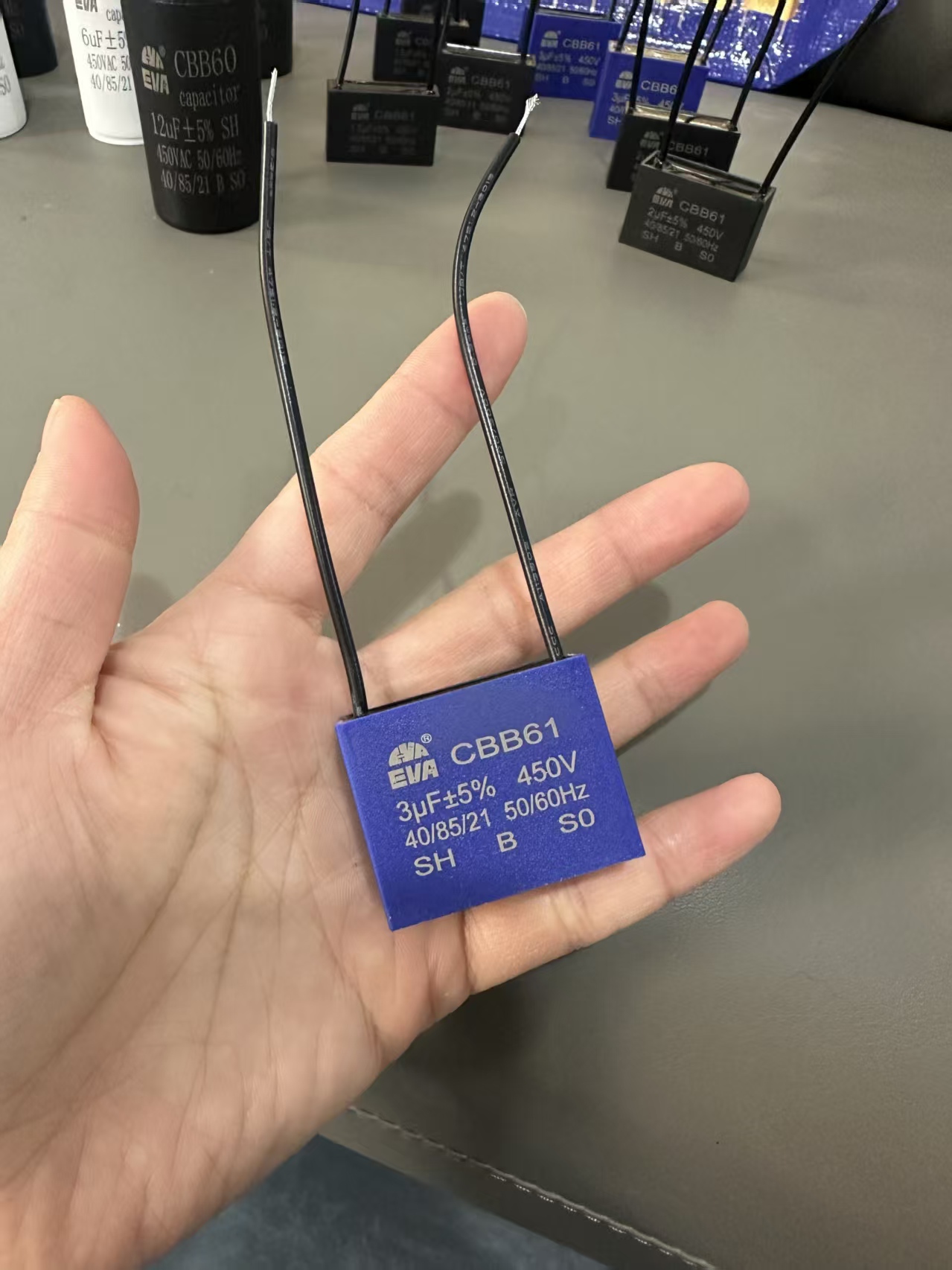
The CBB61 capacitor is an AC motor run capacitor made from metallized polypropylene film (MPP). It is specially designed for single-phase AC motors, commonly found in fans and small household appliances.
Its main function is to create a phase shift in the motor winding, which helps the motor start smoothly and maintain stable rotation during operation.
CBB61 capacitors are widely used because they offer:
-
Stable electrical performance
-
Compact structure
-
Low energy loss
-
Long service life
They are typically housed in flame-retardant plastic cases with epoxy resin sealing to ensure safety and insulation.
Why CBB61 Capacitors Are Essential in Summer
During the summer season, demand for cooling equipment rises sharply. Electric fans, air ventilation systems, and range hoods are used more frequently, which increases the need for reliable motor components.
CBB61 capacitors play an important role in:
-
Ensuring smooth fan startup
-
Improving motor efficiency
-
Reducing noise and vibration
-
Extending the lifespan of fan motors
For distributors and appliance manufacturers, preparing sufficient capacitor inventory before peak season is essential to meet the rising demand.
Main Applications of CBB61 Capacitors
CBB61 capacitors are widely used in many AC motor applications, including:
-
Ceiling fans
-
Table fans
-
Exhaust fans
-
Ventilation systems
-
Range hoods
-
Air conditioner fan motors
-
Small pumps and household appliances
Their compact design allows them to fit easily into limited installation spaces inside electrical equipment.
Key Features of CBB61 Capacitors
High-quality CBB61 capacitors offer several technical advantages:
Self-Healing Technology
The metallized polypropylene film allows the capacitor to repair minor dielectric breakdowns automatically, which significantly improves reliability.
Low Loss and High Efficiency
CBB61 capacitors have a low dissipation factor, reducing heat generation during long-term operation.
Compact and Lightweight
Compared with many traditional capacitors, the compact structure makes them ideal for fan motors and small appliances.
High Safety Performance
Flame-retardant housing and epoxy sealing provide excellent insulation and safety protection.
Long Service Life
Designed for continuous operation under high temperature and high humidity environments.
Typical Specifications
Although specifications may vary, common parameters include:
-
Capacitance range: 1µF – 35µF
-
Rated voltage: 250VAC – 450VAC
-
Frequency: 50/60Hz
-
Capacitance tolerance: ±5% / ±10%
-
Operating temperature: −40°C to +70°C or higher
These specifications make CBB61 capacitors suitable for most fan motor applications worldwide.
Why Choose EVA Electronic Components as Your CBB61 Capacitor Supplier
When sourcing capacitors for large-scale fan production or distribution, working with a reliable manufacturer is critical.
EVA Electronic Components provides high-quality capacitors designed for global appliance markets.
Professional Capacitor Manufacturer
With years of experience in capacitor production, EVA focuses on providing stable and reliable components for industrial and household appliances.
OEM and Customization Support
We offer OEM and ODM services, including:
-
Customized capacitance values
-
Different wire lengths or terminal types
-
Logo printing and private label packaging
-
Customized housing colors and shapes
This flexibility allows appliance manufacturers and distributors to meet different market requirements.
Stable Production Capacity
Our factory maintains stable production capacity to support bulk orders during peak seasons, such as the global summer demand for fan components.
Strict Quality Control
Each capacitor undergoes strict quality testing to ensure reliable performance and long operational life.
Conclusion
As global temperatures rise and demand for cooling appliances grows, the CBB61 fan capacitor continues to be a crucial component in electric fans and ventilation systems.
Choosing a reliable supplier ensures consistent product quality, timely delivery, and flexibility for customized requirements.
If you are looking for a trusted CBB61 capacitor manufacturer for OEM orders or bulk supply, EVA Electronic Components is ready to support your business.
How Dielectric Film Selection Impacts Film Capacitor Performance and Reliability
2026-03-25In film capacitor manufacturing, electrical performance and long-term reliability are fundamentally determined by the quality of the dielectric film. While external dimensions and rated values are easy to specify, the real performance of a capacitor depends on how well the dielectric material performs under electrical stress, thermal cycling, and continuous operation.
For applications such as motor run capacitors, power supplies, and industrial electronics, proper dielectric film selection is not simply a material choice—it is a critical engineering decision that directly affects stability, efficiency, and service life.

The Role of Dielectric Film in Film Capacitors
The dielectric film acts as the insulating medium between capacitor electrodes and defines the capacitor’s fundamental electrical behavior. Its properties directly influence capacitance accuracy, insulation resistance, dielectric loss, and voltage withstand capability.
Key electrical parameters such as dielectric constant (εr) and dissipation factor (tan δ) determine how efficiently a capacitor stores and releases energy. A stable dielectric material ensures minimal energy loss and consistent performance across temperature and frequency ranges.
In practical applications, the dielectric film must also withstand repeated electrical stress without degradation. Poor film quality can result in increased losses, unstable capacitance, and reduced lifetime—issues that often appear only after long-term operation.
Key Electrical Properties of Dielectric Films
When selecting dielectric film for capacitors, several electrical characteristics must be carefully evaluated:
Dielectric Constant (εr): Determines capacitance value relative to film thickness and electrode area
Dissipation Factor (tan δ): Indicates dielectric losses and heat generation
Breakdown Strength: Defines maximum voltage withstand capability
Insulation Resistance: Affects leakage current and long-term stability
For high-reliability applications, low dielectric loss and high insulation resistance are essential to ensure safe and efficient operation over extended service life.

Mechanical and Surface Quality Requirements
Electrical performance alone is not sufficient. The mechanical stability and surface quality of the dielectric film play a crucial role during capacitor manufacturing and operation.
High-quality capacitor film must exhibit:
-
Uniform thickness across the entire roll
-
Smooth, defect-free surface
-
Stable tensile strength suitable for winding
Surface defects such as micro-scratches, contamination, or thickness variations can create localized electric field concentrations. These weak points increase the risk of partial discharge and dielectric degradation, particularly under high voltage or high temperature conditions.
Mechanical consistency is also essential to maintain stable winding tension and prevent deformation during thermal cycling.
Common Dielectric Film Materials Used in Film Capacitors
Among various dielectric materials, polypropylene (PP) and polyester (PET) are the most commonly used in film capacitors.
Polypropylene (PP) Film
Polypropylene film is widely used in high-reliability and motor run capacitors due to its:
-
Low dielectric loss
-
High insulation resistance
-
Excellent voltage withstand capability
-
Stable capacitance over temperature
These characteristics make PP film ideal for applications requiring continuous operation and long service life.
Polyester (PET) Film
Polyester film offers higher dielectric constant and smaller size for the same capacitance value. It is often used where compact size is a priority, although it generally exhibits higher dielectric losses compared to polypropylene.
The choice between PP and PET films depends on application requirements, operating conditions, and performance expectations.

How Dielectric Film Affects Long-Term Reliability
Dielectric film quality has a direct impact on capacitor aging behavior. Over time, factors such as electrical stress, temperature rise, and environmental conditions can accelerate dielectric degradation if the film is not properly selected.
High-quality dielectric films help ensure:
-
Stable capacitance under thermal cycling
-
Low loss during continuous operation
-
Reduced risk of insulation failure
-
Extended operational lifetime
In contrast, inconsistent or unsuitable film materials may lead to gradual performance drift, increased losses, and eventual failure—often long after the capacitor has been installed in equipment.
From Dielectric Film Selection to Manufacturing Control
While dielectric film selection forms the foundation of capacitor performance, it is only the first step. To fully realize the benefits of high-quality film, strict manufacturing control is required throughout the production process.
At EVAE, dielectric films are carefully evaluated not only for electrical characteristics but also for mechanical consistency and long-term stability. This approach ensures that selected materials are compatible with precision manufacturing processes and real-world operating conditions.
However, even the best dielectric film cannot deliver optimal performance without proper manufacturing execution. In particular, precision winding quality plays a decisive role in converting material potential into reliable capacitor performance
Conclusion
Dielectric film selection is a critical factor in film capacitor design and manufacturing. Its electrical and mechanical properties directly influence performance, reliability, and service life.
By selecting the appropriate dielectric film and applying disciplined quality control, manufacturers can ensure that film capacitors meet the demands of modern industrial and power applications—not only at initial testing, but throughout their entire operational lifetime.
How to Replace the CBB61 Capacitor in Hot Weather A Simple Guide
2026-03-25
As the temperature rises, many of us rely heavily on household appliances like ceiling fans and air conditioners to keep cool. One crucial component in these devices is the CBB61 capacitor, which ensures smooth motor operation. Over time, capacitors can wear out, especially during hot weather. In this guide, we’ll walk you through how to replace the CBB61 capacitor and keep your appliances running smoothly.
Why Replace the CBB61 Capacitor in Hot Weather?
High temperatures can cause capacitors to overheat, leading to failure. According to IEEE, prolonged exposure to high temperatures can cause the electrolyte inside capacitors to break down, which significantly reduces their performance. When a CBB61 capacitor malfunctions, it can affect your appliance's performance, causing issues like overheating, inefficient operation, or even complete failure. To avoid this, regular maintenance and timely replacement are essential.
Step-by-Step Guide to Replacing the CBB61 Capacitor↵
1. Turn Off Power
Before you begin, unplug the appliance or turn off the power to ensure safety.
2. Open the Appliance
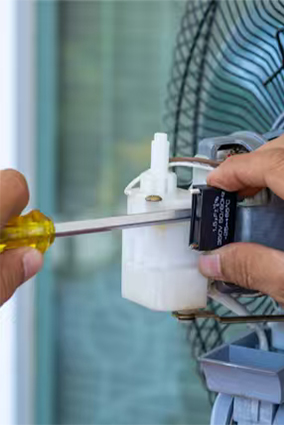
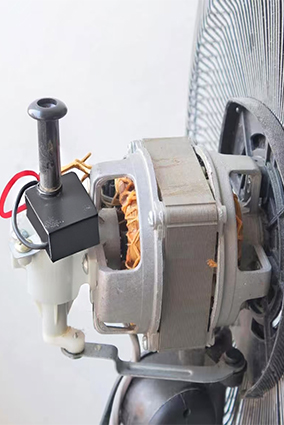
Access the CBB61 capacitor by removing the cover or panel of the appliance. The capacitor is usually located near the motor.
3. Record the Wiring Configuration
Take a photo or note how the wires are connected to the old capacitor. This will help you connect the new one correctly.
4. Disconnect and Remove the Old Capacitor
Carefully disconnect the wires and unscrew the old capacitor. Be cautious not to damage the wires.
5. Install the New Capacitor
Connect the new capacitor following the wiring configuration you recorded. Secure the capacitor in place.
6. Test the Appliance
Once the capacitor is installed, close the appliance and plug it back in. Turn it on and check if it’s running smoothly.
When Should You Replace Your CBB61 Capacitor?
Here are some signs that your CBB61 capacitor may need replacing:
-
Appliance not starting
-
Unusual noises or overheating
-
Reduced efficiency or poor performance
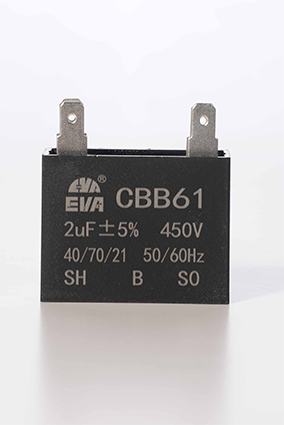
Conclusion
Replacing your CBB61 capacitor is a simple and effective way to maintain the performance of your appliances, especially during hot weather. Regularly checking and replacing the capacitor can prevent costly repairs and keep your equipment running smoothly throughout the summer.
For more information or if you need help with the replacement process, feel free to reach out to us!
https://www.evaecomp.com/product/cbb61-motor-run-capacitor-for-ceiling-fans-and-ventilation-systems
How Welding Machine Capacitors Improve Arc Stability and Equipment Lifespan
2026-03-25Introduction
In modern welding systems, stable arc performance is essential for precision, safety, and efficiency. While many users focus on power sources and control systems, one critical component is often overlooked — the welding machine capacitor.
A properly selected welding capacitor can:
-
Stabilize arc ignition
-
Reduce current fluctuation
-
Improve welding consistency
-
Extend machine lifespan
In this article, we explain how welding capacitors work and why they are vital in today’s industrial welding equipment.
What is a Welding Machine Capacitor?
A welding machine capacitor is a metallized polypropylene film capacitor designed to operate under:
-
High current pulses
-
Frequent voltage fluctuations
-
High-temperature environments
It is mainly used for:
✔ Arc stabilization
✔ Voltage buffering
✔ EMI suppression
✔ Power factor improvement
Typical applications include:
-
Inverter welding machines
-
ARC welders
-
TIG / MIG systems
-
Industrial welding power supplies
Why Capacitors Matter in Welding Machine
Without a reliable capacitor, welding machines may suffer from:
-
Unstable arc
-
Spatter issues
-
Equipment overheating
-
Shortened service life
High-quality film capacitors help:
✔ Maintain consistent arc ignition
✔ Smooth output waveform
✔ Reduce stress on IGBT modules
✔ Improve overall efficiency
This is especially important in inverter welding machines operating at high switching frequencies.
Key Performance Features
Modern welding capacitors are engineered for harsh environments.
Important characteristics include:
| Feature | Benefit |
|---|---|
| Low ESR | Reduced heat generation |
| High ripple current resistance | Stable operation |
| Self-healing film | Longer lifespan |
| High voltage tolerance | Safety in surge conditions |
| Compact structure | Easy integration |
For example, 4.7µF welding capacitors are widely used in inverter welding circuits for energy buffering and voltage stabilization.
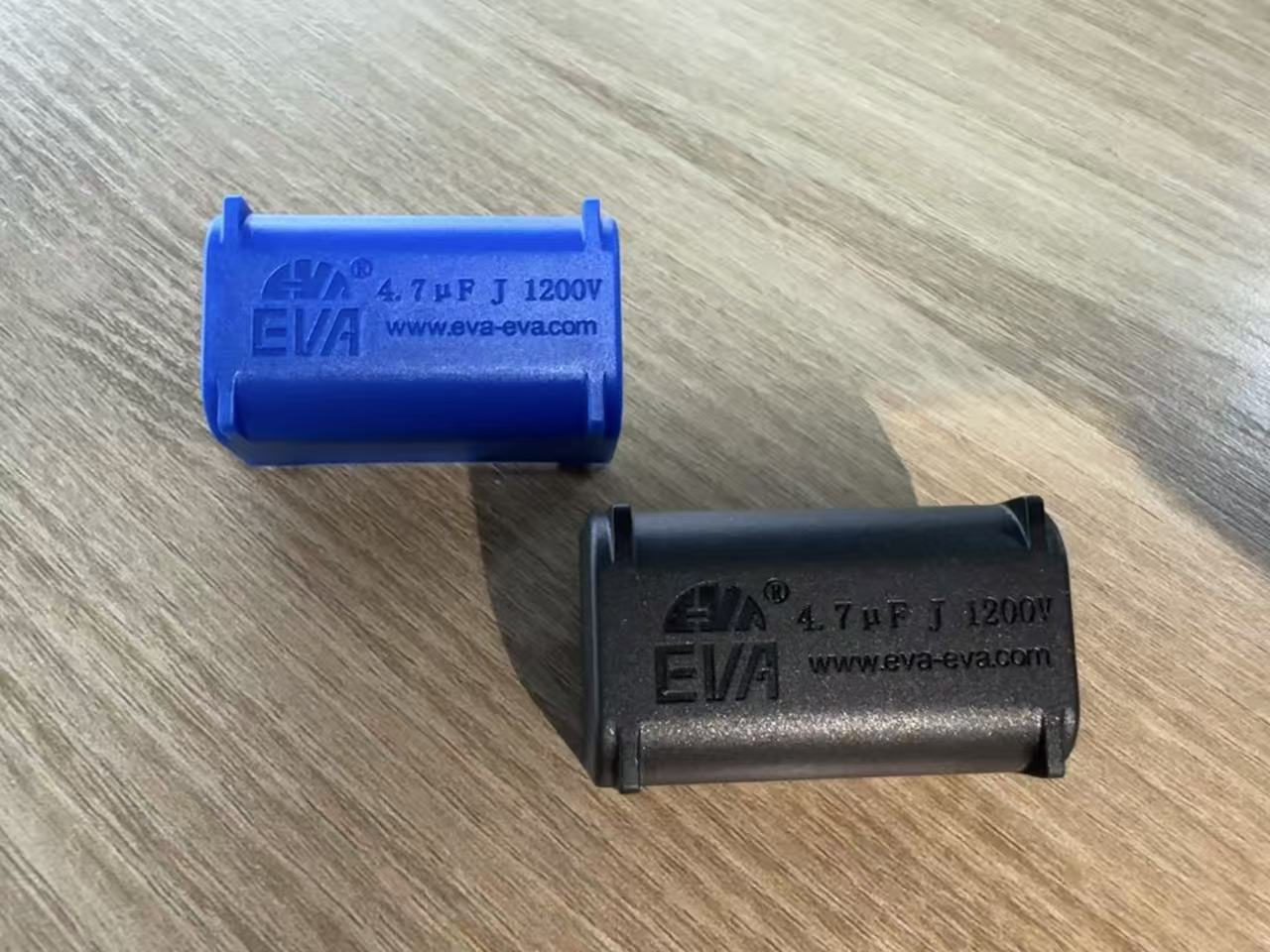
Application Advantages
Using a reliable welding capacitor brings:
✔ Better arc control
✔ Lower failure rate
✔ Reduced maintenance
✔ Improved welding precision
In heavy-duty industrial environments, this directly translates into:
→ Higher productivity
→ Reduced downtime
→ Lower equipment replacement cost
Choosing the Right Welding Capacitor
When selecting a welding machine capacitor, consider:
-
Capacitance value
-
Rated voltage
-
Operating temperature
-
Ripple current capability
-
Application frequency
For inverter welding machines, metallized polypropylene capacitors are the preferred solution due to their durability and self-healing properties.
Conclusion
As welding technology evolves, component reliability becomes increasingly important. A high-quality welding machine capacitor is not just an accessory — it is a core element that ensures stable operation and long-term equipment performance.
Whether used in inverter welders or industrial ARC systems, selecting the right capacitor can significantly improve welding stability and extend machine life.
Looking for reliable welding machine capacitors?
Our engineering team can help you select the right solution for your application.
Contact us today for technical support or samples.
Understanding CBB65 Motor Run Capacitors Applications, Features and Selection Tips
2026-03-25In modern HVAC and motor-driven systems, stable motor operation is essential for efficiency, safety, and long-term reliability. Among various AC motor capacitors, the CBB65 motor run capacitor has become one of the most widely used solutions for air conditioners, water pumps, and ventilation systems.
In this blog, we will take a closer look at what CBB65 capacitors are, why they are so popular, and how to choose the right one for your application.
What Is a CBB65 Motor Run Capacitor?
A CBB65 capacitor is an AC motor run capacitor made with metallized polypropylene film (MPP). Its main function is to provide phase shifting for single-phase motors, allowing them to run smoothly and efficiently during continuous operation.
Unlike electrolytic capacitors, CBB65 capacitors are designed for long-term use. They offer lower electrical loss, better capacitance stability, and a much longer service life, making them ideal for applications where motors operate for extended periods.
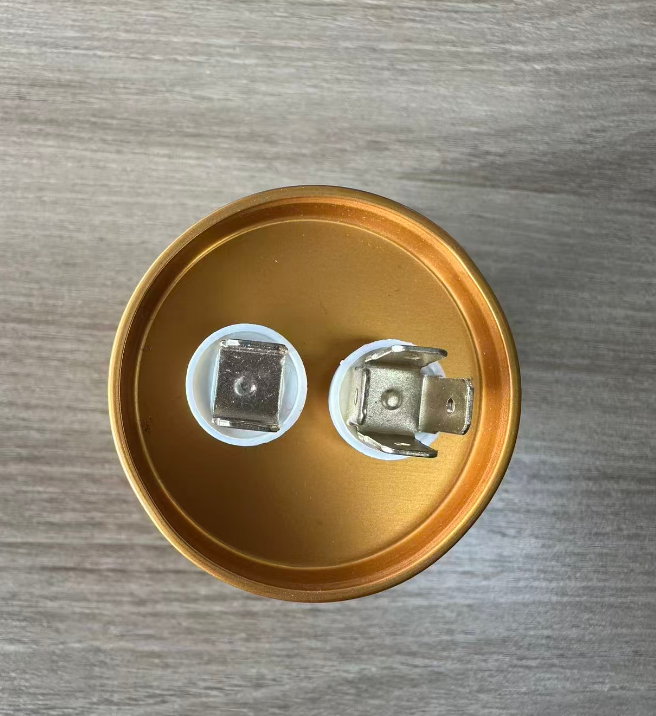
Why CBB65 Capacitors Are Widely Used
The popularity of CBB65 capacitors is not accidental. Their design and material selection make them especially suitable for demanding motor environments.
One key advantage is their excellent electrical stability. Thanks to the metallized polypropylene film, CBB65 capacitors maintain stable capacitance even under voltage fluctuations or temperature changes.
Another important feature is high safety performance. Most CBB65 capacitors are housed in aluminum cases with anti-explosion protection. In addition, the self-healing property of MPP film allows the capacitor to recover from minor dielectric breakdowns, reducing the risk of sudden failure.
Typical Applications of CBB65 Capacitors
CBB65 motor run capacitors are commonly found in:
-
Air conditioner compressors
-
HVAC systems
-
Water pumps and circulation pumps
-
Fans, blowers, and ventilation equipment
-
Refrigeration and cooling systems
In these applications, CBB65 capacitors help motors achieve stable torque, smoother operation, and reduced noise during continuous running.
Key Technical Characteristics to Know
When engineers or buyers evaluate a CBB65 capacitor, several technical parameters are usually considered:
-
Rated Voltage: Typically ranges from 250VAC to 660VAC
-
Capacitance Range: From 0.5µF to over 120µF
-
Frequency: 50/60Hz
-
Operating Temperature: -40°C to +85°C
-
Capacitance Tolerance: ±5% or ±10%
These specifications allow CBB65 capacitors to cover a wide range of motor power levels and application environments.
How to Choose the Right CBB65 Capacitor
Selecting the correct CBB65 capacitor is critical for motor performance and lifespan.
First, always choose a voltage rating equal to or higher than the system voltage. Using a higher voltage rating generally improves reliability.
Second, the capacitance value must match the motor’s design requirements. An incorrect capacitance can lead to reduced efficiency, overheating, or even motor damage.
For air conditioning systems, dual-run CBB65 capacitors (for example, 40+5µF) are often used to support both the compressor and fan motor in a single unit.
Finally, consider the operating environment. High ambient temperature, humidity, or long running hours require capacitors with higher endurance and stable materials.
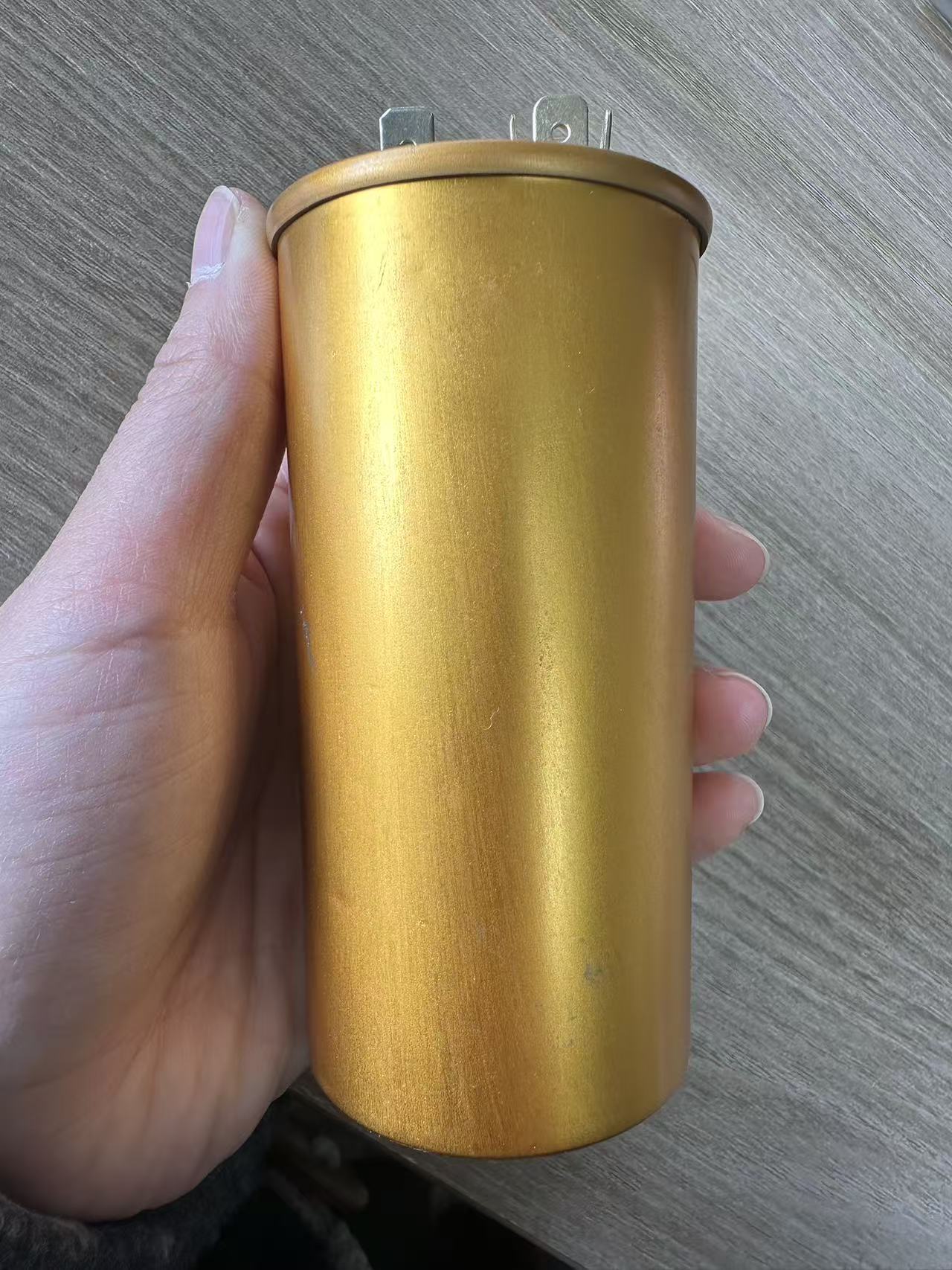
Final Thoughts
The CBB65 motor run capacitor plays a vital role in ensuring smooth and efficient operation of single-phase AC motors. With its metallized polypropylene film, aluminum case design, and stable electrical performance, it remains a trusted solution for HVAC and motor applications worldwide.
For engineers, distributors, and equipment manufacturers, understanding the characteristics and proper selection of CBB65 capacitors can make a significant difference in product reliability and customer satisfaction.
If you would like to learn more about CBB65 capacitors or explore customized solutions, feel free to contact EVA Comp for technical support and product information.
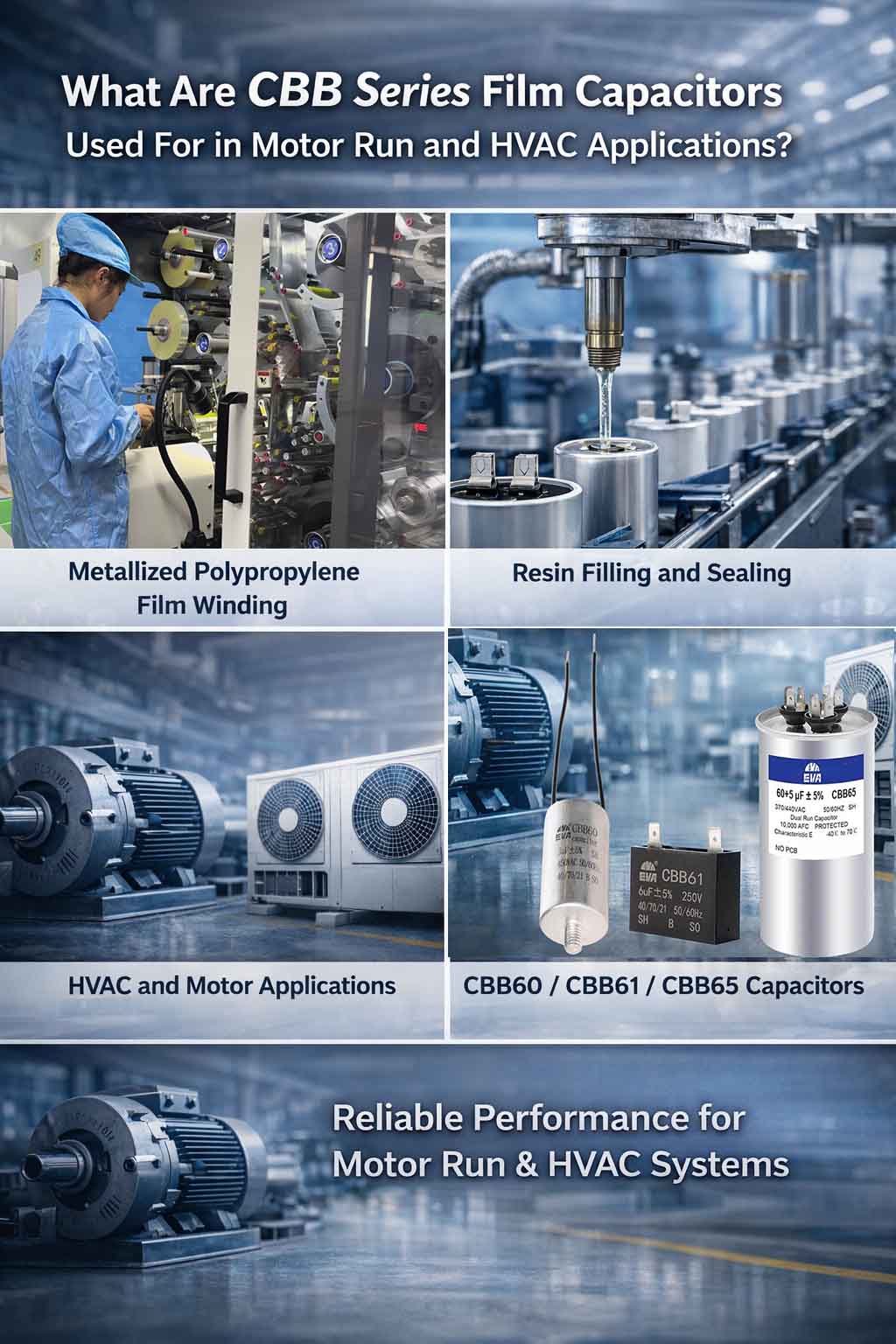
What Are CBB Series Film Capacitors Used For in Motor Run and HVAC Applications?
2026-03-25Introduction
Film capacitors play a critical role in modern motor-driven systems, especially in HVAC equipment, compressors, fans, and pumps. Among them, CBB series film capacitors are widely used as motor run capacitors due to their stable electrical performance and long service life.
In this article, we explain what CBB series film capacitors are, how they work, and why they are commonly used in motor run and HVAC applications.
What Is a CBB Series Film Capacitor?
A CBB series capacitor is a type of metallized polypropylene (MPP) film capacitor designed for AC applications. It is commonly used as a motor run capacitor, providing continuous phase shift and improving motor efficiency during operation.
Typical CBB series products include:
-
CBB60 – Used in air conditioners and compressors
-
CBB61 – Common in fans and small motors
-
CBB65 – Designed for higher capacitance motor run applications
These capacitors are known for low loss, stable capacitance, and high insulation resistance.
Why Metallized Polypropylene Film Is Used
Compared with other dielectric materials, metallized polypropylene film offers several advantages:
-
Low dielectric loss
-
Excellent temperature stability
-
High voltage withstand capability
-
Long operational lifetime
Because of these characteristics, MPP film capacitors are suitable for continuous-duty motor run applications, where reliability is critical.
Applications of CBB Film Capacitors
CBB series film capacitors are widely used in:
-
HVAC systems
-
Air conditioner outdoor and indoor units
-
Electric fans
-
Water pumps
-
Compressors
-
Industrial motor equipment
In these applications, the capacitor helps improve motor starting performance, running efficiency, and overall system stability.
Manufacturing Process and Quality Control
At EVA Comp, CBB film capacitors are produced through a controlled manufacturing process that includes:
-
Film winding
-
Welding and lead assembly
-
Resin filling or sealing
-
Electrical testing and final inspection
Each production step is designed to ensure consistent performance and compliance with international standards.
Customization and OEM Support
Different motor applications require different capacitance values, voltage ratings, and case sizes. EVA Comp supports OEM and customized capacitor solutions, helping customers select suitable specifications based on their application requirements.
Conclusion
CBB series film capacitors are an essential component in motor run and HVAC applications, offering stable performance and long-term reliability. Choosing the right capacitor and a reliable manufacturer is key to ensuring product quality and system safety.
If you are looking for a film capacitor manufacturer or need support with motor run capacitor selection, EVA Comp is ready to assist.